


Buyer's Guide: Integrated Office Parking System vs Workplace Parking Software
For as long as cities have had parking, they've rationed it two ways: first come, or highest bidder. Whoever shows up earliest or pays most wins. Feels neutral. It isn't. As space gets scarcer, that quiet default decides who gets to be part of city life - and who gets pushed to the edge.
Some cities are starting to ask a better question. Not how many spaces do we have, but who should we help get one. That's a real shift - from parking as a commodity to parking as social infrastructure - and it deserves more airtime than it gets.
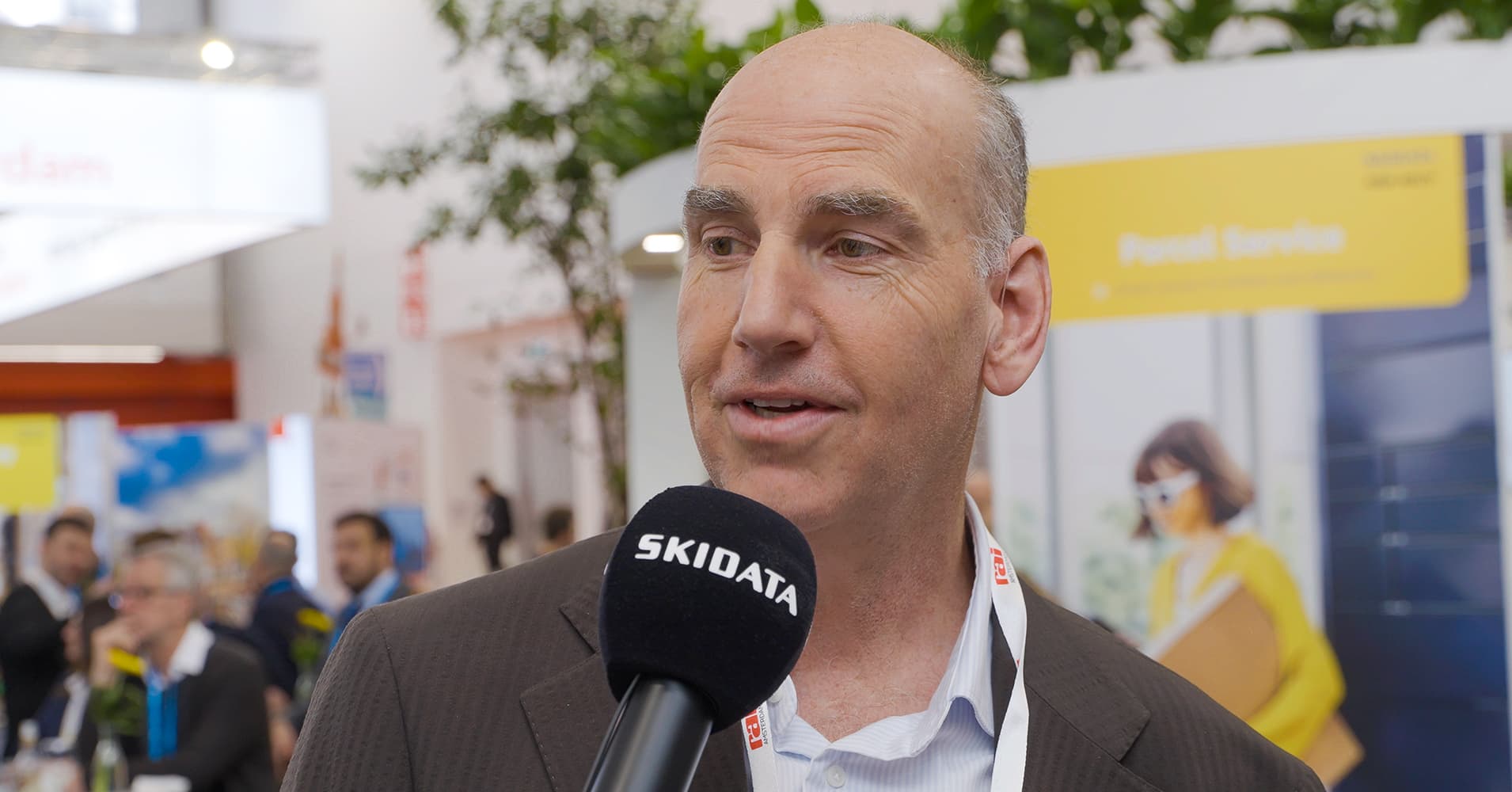
Amsterdam is thinking exactly this way. "We are looking at who we should help secure a spot," says Willem van Heijningen, a strategist in the City of Amsterdam's Department of Mobility and Public Space. "Women and disabled people have specific needs, and we need to determine how best to provide them with safe, comfortable, and accessible parking. The same goes for teachers and healthcare workers; they have less access to housing within the city, but we still want them here."
The trouble with "first come, first served"
Space in a growing city is finite, and shrinking. Roadworks, greening, and the energy transition all eat into it. When there genuinely isn't enough to go around, handing it out purely by speed or wallet gives you a predictable result: people with the most flexibility and money do fine, everyone else adapts or stays home.
But cities don't actually want a neutral outcome. They want specific people to be able to get in - and some of those people have the least room to manoeuvre.
A nurse or a teacher who can't afford to live in the city still has to commute in, often at odd hours, to a job the city depends on. Make their parking unpredictable or unaffordable and you make a hard commute harder - and risk losing them.
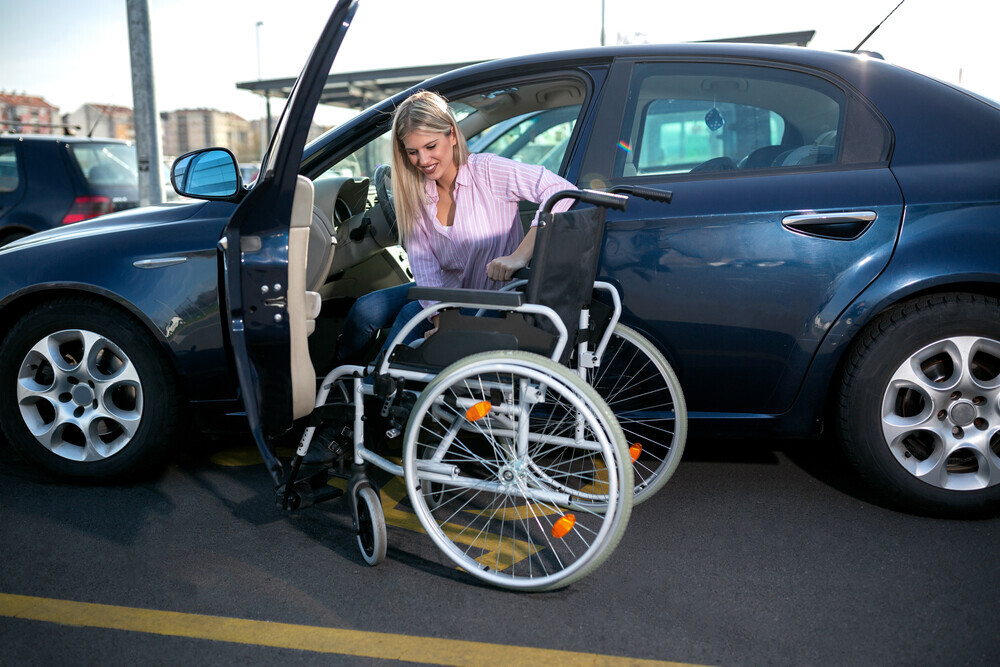
Others hit a different version of the same wall. Someone with a disability needs a space that's not just free but safe, close, and genuinely accessible.
Someone leaving a venue after dark cares a lot about where they parked and how they get back to it.
These aren't edge cases to sort out once the "normal" spaces are gone. For these travellers, where the space is and how safe it feels is the whole trip.
From counting spaces to matching people
What makes this doable, rather than just nice to say, is parking data. When a city can see supply and demand together, in real time, allocation stops being a blunt instrument.
Not every visitor is the same. Some come early to wander before an event; some arrive just in time. Some bring a family; some need step-free access. Line those needs up against what's actually free and you can make the right match - sending the driver who needs an accessible bay to one that's close, holding safe, well-lit spaces for people who need them, giving essential workers a reliable option nearby. The tech doesn't make the social call. The city does. The tech just turns that call into something that happens on the ground, parking space by parking space.
A choice cities can already make
This isn't a far-off vision that needs new laws or new hardware everywhere. Digital access, real-time availability, parking guidance to a specific space - that's already how a well-run mobility hub works. The step is pointing it at a social goal, not only an operational one.
That's where a partner helps. SKIDATA's Zone Management lets a city decide who may use which spaces - issuing digital permits for residents, service providers, and the workers it wants to keep close - while access and live parking guidance route each person, including those who need an accessible or well-lit spot, to the right place.
The city makes the choices; SKIDATA makes them real.
Amsterdam's Singelgracht garage shows the shape of it: 800 spaces, around 80% held for permit holders, built underground so the street above could be given back to greenery, pedestrians, and bikes.
The payoff is a place that works for everyone, not just the fastest or the richest. Parking has always shaped who gets to show up in a city. The chance now is to shape it on purpose - and make room for the people a city needs most.
Related references:
Subscribe to our blog