


Less Space, More Flow: The Quiet Revolution in City Parking
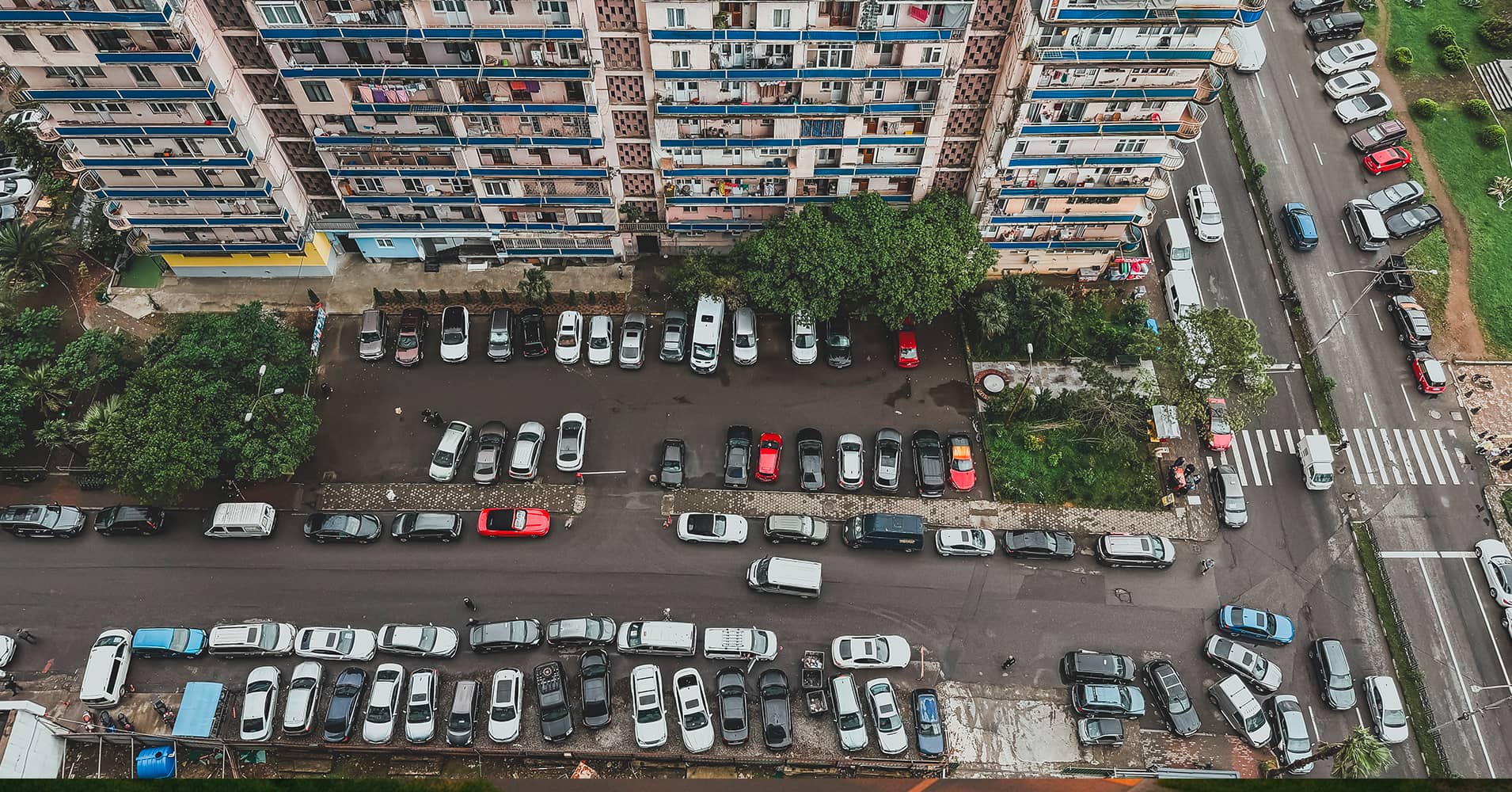
Cities are running out of room. Not someday - now, block by block. Take Amsterdam. It's growing fast, but at the same time it's tearing up roads for repairs, carving out space for trees and climate resilience, and burying new heating pipes for the energy transition. All of it worthwhile. All of it fighting over the same scarce thing: public space. And mobility is usually first in line to give some back.
That pressure is driving a quiet shift across European cities: moving parking off the street and into managed hubs.
-
Get it right and you free up the surface for people and greenery.
-
Get it wrong and you just move the headache somewhere else - and hand residents a worse day.
The gap between those two outcomes is the whole game.
The change that works is the one nobody notices
Here's the awkward truth every planner already knows: take away someone's street parking and they won't thank you for it. It doesn't matter how good the climate case is. If you used to park outside your door and now you walk to a hub, that feels like a loss first and a benefit second.
So relocating parking isn't enough. The new option has to be so smooth people barely register the switch - and then quietly start to prefer it. That means digital access that just works, clear guidance to a free space, no queues, none of that "will there even be room when I get there?" When the hub is easier than the street ever was, adoption stops being a fight. That's what intelligent access is really for: turning a place you tolerate into part of a trip you'd actually choose.
The Johan Cruyff Arena paradox
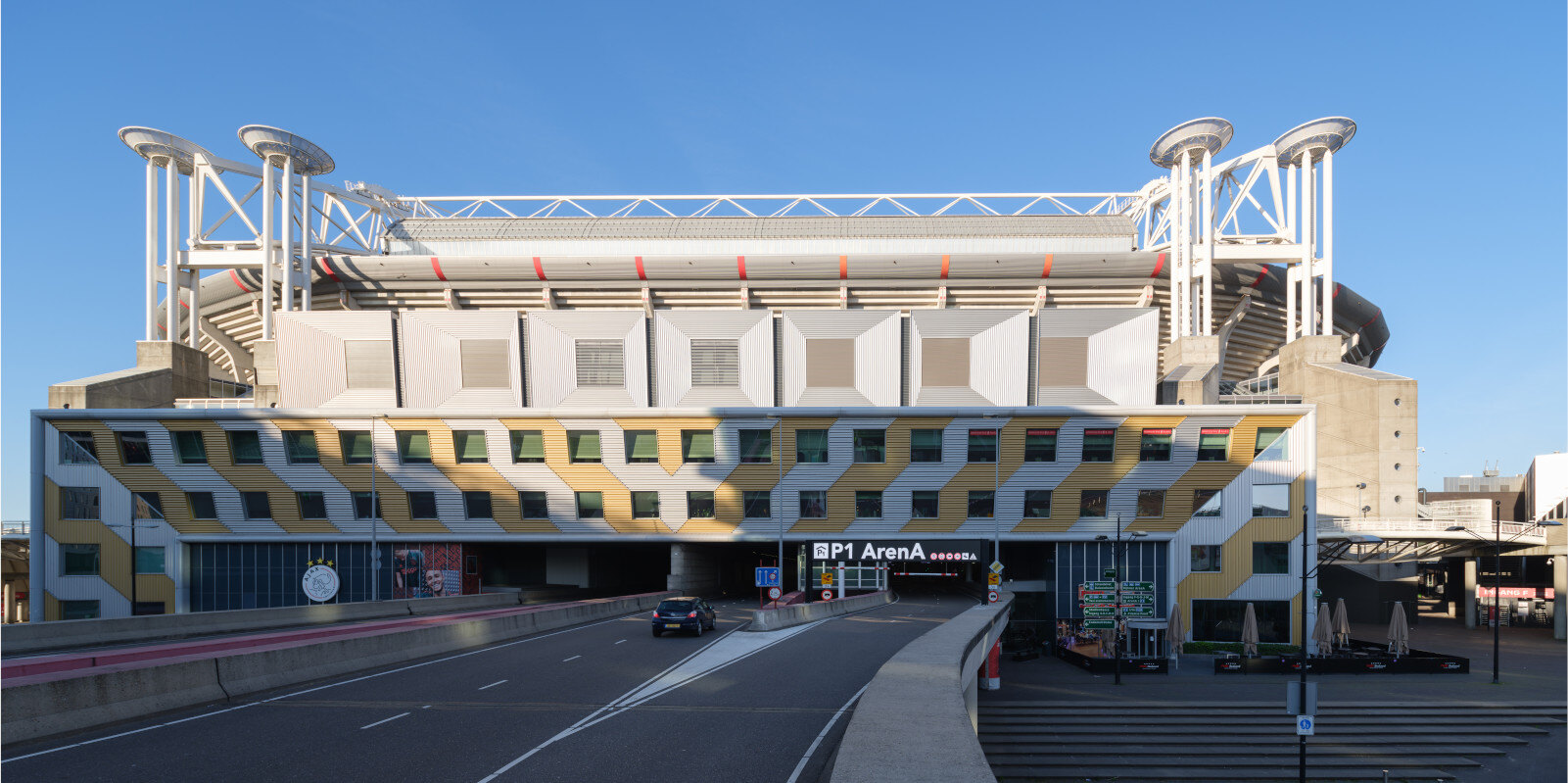
The clearest example sits next to one of the largest event areas in the Netherlands. The Johan Cruyff Arena area handles huge peaks - roughly 50 to 60 event days a year, five or six hours each. The rest of the time it's mostly empty. And now tens of thousands of new homes are going up right beside it.
There's the puzzle in one picture. You need capacity for the peak, but you can't let that footprint sit dead the other 300-odd days. The fix isn't more asphalt - it's using what's already there more cleverly. And it's not theory: the ArenA already runs its 2,400 spaces on network logic that pulls the garage out of general parking on event days, so it works as a smart Park & Ride the rest of the time without feeding match-day congestion. One hub that flexes beats several lots that don't.
Three layers, one goal
It helps to think in three connected layers.
-
Intelligent access takes the friction out of the gate.
-
Intelligent parking matches supply and demand in real time, so drivers are sent straight to a space instead of circling the block.
-
And intelligent behaviour is what those two make possible - people who arrive, park, and move on without adding to the chaos, because the system quietly nudged them toward the easy choice.
None of this is tech for its own sake. It all serves one thing cities and operators both want: urban flow. Keep people moving, keep space usable, keep the city livable as it grows.
Where to start
The most useful first move is to link parking with traffic management. As Willem van Heijningen, a strategist in the City of Amsterdam's Department of Mobility and Public Space, puts it, the goal is that "as people approach the city, they are immediately directed to their parking space… so they don't drive aimlessly through the city or the event area searching for a spot."

Kill the search, and you kill a big share of the congestion, frustration, and emissions that come with it.
Cities own the space, the signage, the mandate. Partners bring the digital layer that makes a hub feel effortless.
That's where we come in: SKIDATA's Mobility Hub turns parking into a connected front door - one digital touchpoint for parking, charging, transit, and shared mobility - while SKIDATA Connect stitches on-street and off-street into a single system.
In Belgium, that same backbone runs 89 Park & Ride sites and 23,000 spaces, managed by a team of six. Handle the shift gently, make the journey seamless, and the hub becomes what a crowded city actually needs: not somewhere to store cars, but a front door that keeps the whole place moving.
Related references:
Subscribe to our blog